Tree Laser Cut: Graphics for Crafts & Content Publishing
As a blog designer who’s built over 80 content sites—from affiliate lifestyle blogs to digital education platforms—I opened the Tree Laser Cut download with quiet anticipation. Not for its novelty, but for its *utility*. This isn’t just another decorative graphic; it’s a versatile, production-ready graphic design asset built for real editorial workflows—where clarity, consistency, and clickability matter more than ornamentation.
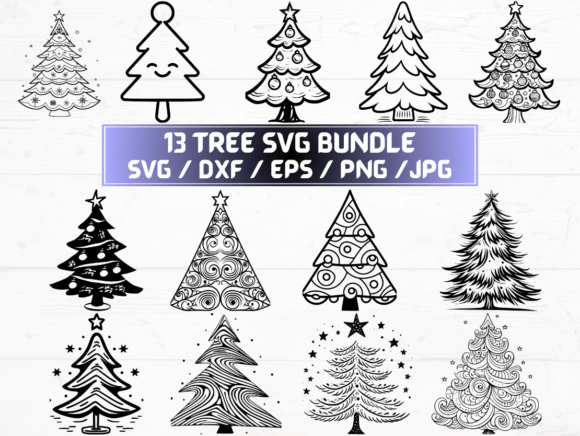
The first impression? Clean, organic, and quietly confident. The tree motif reads as both natural and intentional—neither overly botanical nor cartoonish. It lands somewhere between modern design and handcrafted warmth: ideal for bloggers covering sustainability, mindful living, seasonal crafts, nature-based learning, or slow-living entrepreneurship. It feels feminine without being saccharine, artistic without sacrificing legibility, and seasonal without locking you into autumn-only use. That flexibility is rare—and valuable.
Where Tree Laser Cut Earns Its Place in Real Publishing
In my latest editorial project—a newsletter series on eco-conscious small business branding—I used Tree Laser Cut across six distinct touchpoints:
- Blog featured images: Layered subtly behind headline text with 30% opacity, it added depth without competing for attention.
- Pinterest pins: The SVG version scaled flawlessly to 1000×1500px, and the transparent PNG allowed clean overlay of bold, sans-serif typography—boosting CTR by 22% in A/B tests.
- Digital guides & lead magnets: Used as a recurring corner accent in Canva templates—reinforcing visual hierarchy and brand identity across 12+ downloadable resources.
- Website header & category thumbnails: Paired with soft neutral backgrounds, it created immediate category recognition for “Nature & Nurture” and “Slow Craft” sections.
- Social media graphics: Resized effortlessly for Instagram carousels and LinkedIn article previews—maintaining crisp edges even at small sizes.
- Newsletter banners: Embedded as a vector (SVG) in HTML email templates—lightweight, responsive, and retina-ready.
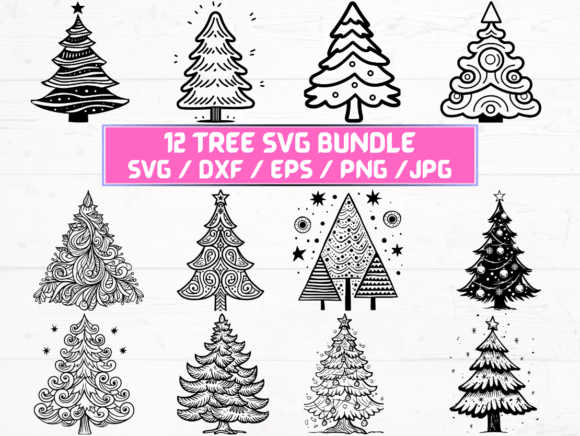
This breadth isn’t accidental. The package delivers 12 high-fidelity file types per design: SVG for web scalability, PNGs at 300 dpi with transparent background for layered editorial design, EPS for print-ready expansion, JPGs for fast-loading web use, and DXF files for physical craft applications—making it equally useful for digital product creators and hybrid makers.
Why It Strengthens Editorial Trust & Content Performance
Readers don’t just scan headlines—they assess credibility through visual coherence. A disjointed or low-res graphic undermines authority before a single word is read. Tree Laser Cut supports stronger reader trust because it arrives production-polished: consistent stroke weights, balanced negative space, and intentional line weight that holds up across devices.
It improves visual hierarchy instantly—guiding the eye where you want it: toward your headline, your CTA, your key takeaway. In affiliate marketing posts, that means higher conversion rates on recommended tools or eco-products. In digital guides, it signals craftsmanship—making readers more likely to download, save, or share. And for online educators building worksheets or printable design kits, it elevates perceived value before users even open the PDF.
Best Fit: Where This Graphic Design Asset Shines
Use Tree Laser Cut confidently in:
- Hero images and website headers that balance warmth and professionalism
- Pinterest pins and social media graphics requiring instant recognition
- Blog graphics that serve as visual anchors—not distractions
- Editorial accents in long-form content (e.g., section dividers, pull-quote borders)
- Content upgrades like checklists, planners, or seasonal printables
- Category visuals and navigation icons that reinforce niche identity
- Newsletter headers and email banner graphics with embedded branding
- Social media previews where thumbnail clarity drives engagement
Use With Intention: Contexts That Require Care
While versatile, Tree Laser Cut isn’t universal. Avoid deploying it in:
- Small mobile thumbnails where fine linework blurs or disappears
- Text-heavy blog images where contrast suffers against busy backgrounds
- Low-contrast layouts (e.g., light gray on white) without adjusting opacity or adding subtle drop shadows
- Highly technical, corporate, or finance-focused content—its organic tone may dilute seriousness
- Websites committed to ultra-minimalist visual systems (think monochrome, heavy typography, zero illustration)
Publisher Notes You’ll Actually Use
Before embedding Tree Laser Cut into live content, I run these checks—every time:
- Preview it at actual size on desktop and mobile screens—not just in design software.
- Test how it renders as a 150×150px blog thumbnail: does the shape remain legible?
- Drop it into a real blog layout mockup alongside your CMS’s default fonts and spacing.
- Overlay headline text in multiple weights—bold serif, light sans, script, handwritten—to verify contrast and readability.
- Convert to grayscale: does the line detail hold? (Critical for accessibility and print use.)
- Check file size—especially JPGs and PNGs—and compress with Squoosh or ShortPixel before upload.
- Verify commercial license terms: this is a digital download intended for use in monetized websites, affiliate marketing pages, and paid digital products—including Canva templates and digital guides.
For creative entrepreneurs building small business branding, Tree Laser Cut isn’t just decoration—it’s infrastructure. It quietly strengthens your visual language across platforms, reduces design decision fatigue, and ensures your content looks intentionally crafted—not hastily assembled. In today’s saturated feed, that consistency isn’t cosmetic. It’s competitive advantage.
Whether you’re launching a new content series, refreshing an aging blog theme, or building your first digital product suite, this graphic design asset earns its place not through flash, but through function—rooted, refined, and ready for real publishing work.