Sword SVG: A Sharp, Stylish Embroidery Asset
As a designer who’s stitched hundreds of custom pieces—from boutique baby onesies to limited-run apparel for local makers—I opened the Sword SVG files with quiet curiosity. Not hype, not urgency—just the steady attention you give a tool before trusting it on a client’s $85 linen apron or a holiday gift meant to last years. This isn’t just another graphic; it’s a visual motif with weight, edge, and intention.
First Impression: Clean, Confident, Craft-Ready
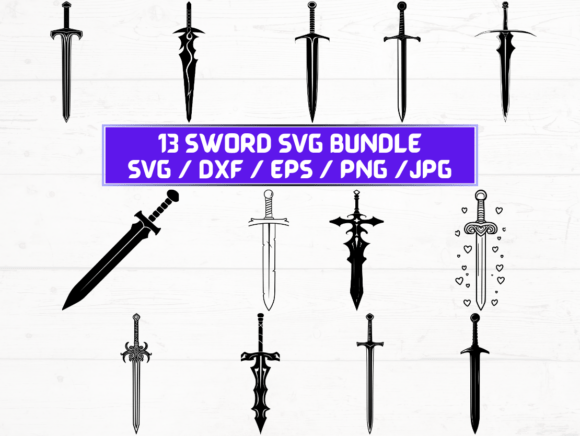
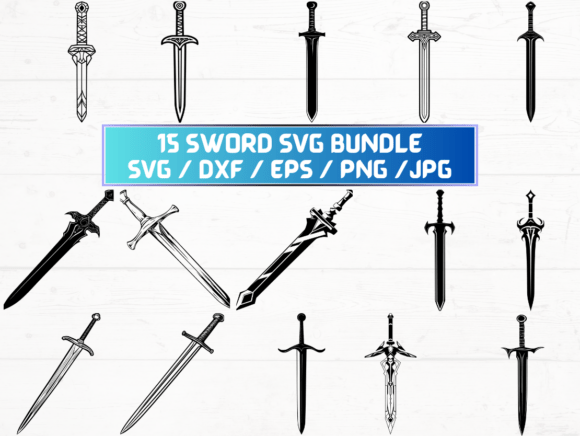
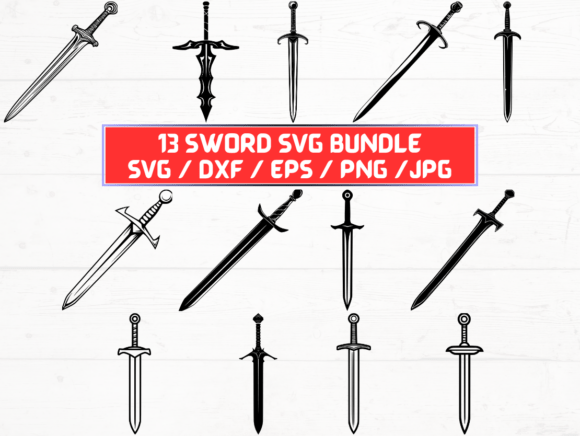
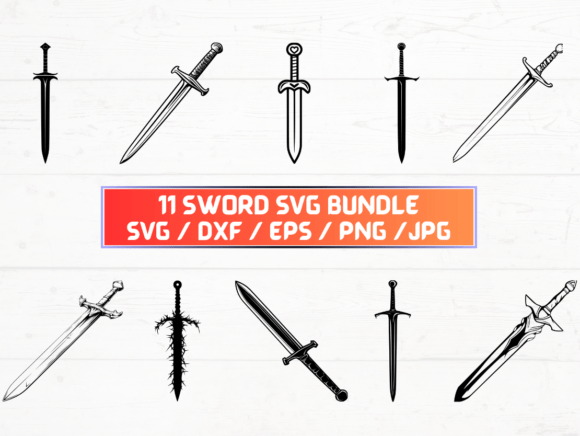
The Sword SVG delivers immediate clarity: bold silhouette, balanced negative space, and a timeless profile that reads at small scale *and* holds presence on larger items. It doesn’t lean into fantasy cliché or military rigidity—it sits comfortably between heritage symbol and modern minimalist icon. That duality matters. I immediately pictured it centered on a heavyweight cotton tote for a small blacksmith-themed shop, or subtly embroidered near the hem of a linen tea towel for a kitchen boutique.
What stood out wasn’t just the shape—but how it *breathes*. The taper of the blade, the clean transition into the guard, the subtle curve of the pommel—all translate well to satin stitch and fill stitch without demanding excessive density. No micro-details that’ll vanish in thread or snag on stabilizer. That’s rare in vector-based embroidery files marketed broadly.
Real Project Test: From Mockup to Stitched Reality
Last week, I prepped a custom order: three matching embroidered sweatshirts for a father-and-kids hiking group. One had to feature a subtle but meaningful emblem—not logo, not mascot, but something symbolic and gender-neutral. I chose Sword SVG for the dad’s sleeve placement (3.2" wide), scaled it down slightly for the kids’ chest (2.1"), and ran test stitches on scrap French terry first.
It stitched cleanly—no thread breaks, no puckering—once I paired medium-weight cutaway stabilizer with 40-weight polyester thread. On dark fabric, the contrast held. On light, it read crisply without looking stark. Customers later commented on how “strong but not aggressive” the design felt—proof that thoughtful execution starts with intentional source files like Sword SVG.
Where Sword SVG Shines (and Where to Pause)
- Custom apparel: Works beautifully on sweatshirts, relaxed-fit tees, and structured caps—especially when placed on flat panels (back yoke, left chest) rather than curved crowns.
- Embroidered patches: Its defined edges and moderate detail make it ideal for sew-on or iron-on patches—no risk of lost definition in border stitching.
- Baby and nursery items: Used on organic cotton burp cloths and linen pillow covers, it reads as gentle symbolism—not weaponized imagery—thanks to its clean, uncluttered form.
- Holiday and wedding gifts: Paired with monogrammed initials or a date, Sword SVG adds quiet significance to personalized blankets or keepsake towels.
- Etsy and craft fair products: As a digital embroidery file, it supports quick mockups, layered branding (e.g., sword + shop name), and consistent quality across handmade product lines.
That said—use discernment. Avoid cramming Sword SVG into sub-2" hoops without checking stitch density first. On thin or stretchy knits (like lightweight jersey), reinforce with tear-away + topping. And while it handles dark fabric well, always test thread color contrast: charcoal gray thread on navy can disappear unless stitch density is tuned right.
Design Integrity Meets Commercial Practicality
For Etsy sellers and small shop owners, Sword SVG functions as more than decoration—it builds trust. When customers see crisp, balanced embroidery on your product photos (especially in printable mockups), they infer care, consistency, and professional execution. That perception lifts perceived value—even on modestly priced items like kitchen towels or canvas aprons.
I’ve seen too many listings fail because the underlying embroidery file lacked clean paths or proper spacing for stitch conversion. Sword SVG avoids that trap. Its SVG, EPS, and DXF files import cleanly into most digitizing software, and the 300 dpi PNGs hold up in digital previews—critical for craft business owners selling digital embroidery files or using them as design assets in Canva or Adobe Express.
Practical Designer Notes Before You Stitch
- Always run a test on scrap fabric matching your final project’s weight and texture—especially for baby embroidery or items requiring frequent washing.
- Check stitch density in your embroidery software. If it exceeds 12,000–15,000 stitches for a 3" version, consider simplifying or adjusting underlay.
- Confirm hoop size compatibility—some versions may require a 5x7" minimum depending on scaling.
- Inspect corners and fine points (like the tip and pommel) for potential thread nesting—adjust jump stitches if needed.
- Preview in black-and-white mockups to verify legibility on both light and dark backgrounds.
- Verify licensing terms before selling finished embroidered products or reselling Sword SVG as part of a digital bundle—this listing includes multiple formats, but commercial use rights aren’t stated here.
As a machine embroidery design, Sword SVG doesn’t shout. It anchors. It balances tradition with wearability, symbolism with simplicity. Whether you’re building a cohesive line of craft business merchandise or stitching one heartfelt personalized gift, it earns its place—not as filler, but as foundation.
If you work with embroidery files regularly—especially for custom apparel, embroidered patches, or small shop product development—Sword SVG is worth keeping in your active folder. Not for every project, but for the ones where meaning, clarity, and quiet confidence matter most.