Spider SVG: A Graphic Design Asset for Modern Publishing
A First Impression That Speaks Volumes
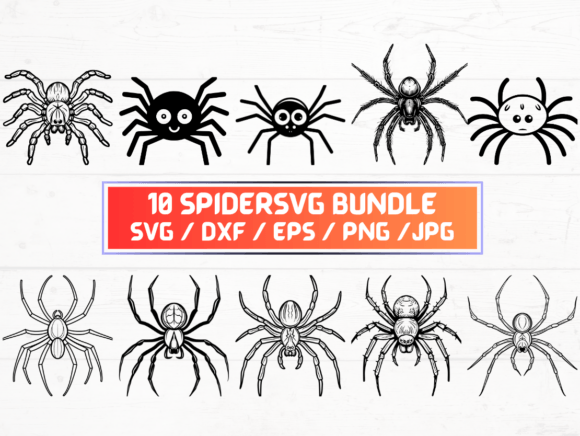
When I first opened the Spider SVG download, I was immediately struck by its clean, modern aesthetic. The design is both bold and subtle, offering a visual language that feels fresh yet familiar. This graphic design asset has a strong editorial presence, making it ideal for content creators who want to elevate their blog visuals without sacrificing authenticity. It carries a sense of professionalism that aligns well with digital publishing, especially in niches like lifestyle, education, and creative entrepreneurship.
Visual Language for Content Creators
Spider SVG is more than just a set of images—it’s a visual tool that supports a wide range of content marketing strategies. Whether you're building a website header, crafting a Pinterest pin, or designing a downloadable resource, this graphic design asset offers versatility and consistency. Its transparent background and high-resolution files (300 dpi) make it suitable for both print and digital use, ensuring your brand identity remains sharp and recognizable across all platforms.
The spider motif itself is a clever choice. It's not overly decorative but still has enough character to stand out. This makes it perfect for editorial design where clarity and visual hierarchy are key. The design feels balanced, allowing it to blend seamlessly into modern web design while maintaining a unique visual identity.
Real-World Applications in Publishing Workflows
As a blog designer, I can see how Spider SVG fits naturally into a variety of publishing workflows. Here are some of the ways it can be used:
- Blog Featured Images: Use Spider SVG as a striking visual anchor for your blog posts. It adds a touch of creativity that can enhance reader engagement.
- Pinterest Pins: The SVG format allows for scalability and flexibility, making it an excellent choice for creating high-quality Pinterest graphics that load quickly.
- Website Headers: Incorporate Spider SVG into your website headers for a consistent brand identity that reinforces trust and professionalism.
- Newsletter Graphics: Use it as a visual accent in your email newsletters to draw attention to key sections or calls to action.
- Downloadable Resources: Whether it's a printable design or a lead magnet, Spider SVG provides a polished look that enhances the perceived value of your digital products.
- Social Media Posts: From Instagram stories to Facebook banners, this graphic design asset works well across various platforms due to its adaptability.
- Canva Templates: Integrate Spider SVG into your Canva templates for a quick and effective way to create visually appealing content.
Supporting Content Performance and Brand Identity
Using Spider SVG can significantly improve your content performance. Its clean lines and strong visual hierarchy help guide readers through your content more effectively. When paired with well-crafted headlines and clear typography, it creates a stronger first impression and increases click-through potential.
Additionally, the asset contributes to a more consistent brand identity. By using Spider SVG across multiple touchpoints—such as website headers, blog graphics, and social media visuals—you reinforce your brand’s visual language. This consistency builds reader trust and helps your content stand out in a crowded digital landscape.
Where Spider SVG Works Best
Spider SVG shines in areas where visual impact is crucial. It excels as a hero image on landing pages, as an article thumbnail that catches the eye, and as a Pinterest pin that drives traffic. It also works well as an editorial accent in layouts that require subtle design elements to enhance readability and aesthetics.
For downloadable resources, Spider SVG adds a professional touch that elevates the perceived quality of your digital product. Whether it's a digital guide, a worksheet, or an eBook cover, the asset supports a cohesive visual identity that aligns with your brand’s mission and values.
Where to Use Carefully
While Spider SVG is versatile, there are situations where it may not be the best fit. For example, it might not be ideal for small mobile thumbnails due to its size and complexity. Similarly, in text-heavy blog images or low-contrast backgrounds, it could potentially overwhelm the content rather than complement it.
In serious professional niches, such as corporate or legal content, the playful nature of Spider SVG might not align with the tone of the audience. It’s important to consider the overall design system of your website and ensure that the asset complements rather than clashes with your existing branding.
Publisher Notes for Optimal Use
To get the most out of Spider SVG, follow these practical tips:
- Test on Desktop and Mobile Screens: Ensure the asset looks great on all device sizes, especially when used as a thumbnail or social media preview.
- Preview in Real Blog Layouts: Before finalizing your design, test the asset within the context of your actual blog layout to assess its impact.
- Check Contrast and Readability: Ensure the design maintains clarity when placed next to different font styles, including serif, sans-serif, script, and handwritten fonts.
- Review File Size: Optimize the file size for web performance to ensure fast loading times and a better user experience.
- Confirm Commercial Licensing: Always verify that you have the appropriate commercial license before using the asset on monetized websites, affiliate pages, or paid content products.
Conclusion
Spider SVG is a valuable graphic design asset that can enhance your blog visuals, website branding, and editorial content. With its modern design and versatility, it supports a wide range of content marketing strategies, from blog graphics to downloadable resources. Whether you're a blogger, publisher, or digital marketer, this asset can help you create more professional-looking content that resonates with your audience and strengthens your brand identity.