Owl Laser Engraving Cut Files
As a designer who’s stitched over 200 custom embroidery projects—from boutique baby onesies to Etsy best-selling tote bags—I opened the Owl Laser Engraving Cut Files ZIP folder with quiet curiosity, not hype. I wasn’t looking for “cute.” I was looking for workable. Would this design hold up on a textured linen tea towel? Could it translate cleanly into satin stitch on a lightweight cotton cap? Would my clients recognize it as thoughtful, not generic? Here’s what I found—and how I’d actually use it.
A Design That Breathes Like Hand-Drawn, Not Machine-Cut
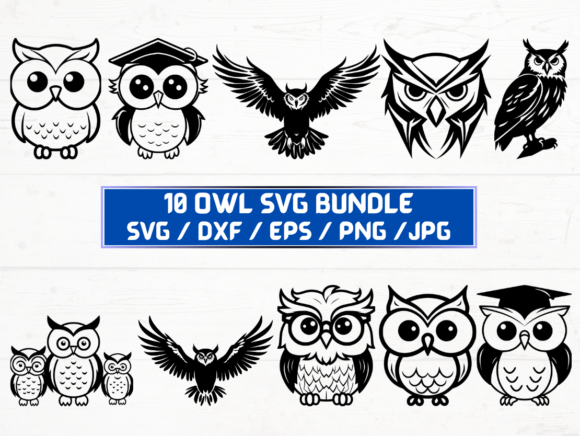
The first thing that struck me wasn’t precision—it was personality. These owls carry a soft, approachable charm: rounded eyes, gentle beak curves, and subtle negative space that suggests feather texture without demanding microscopic detail. It’s not hyper-realistic, nor is it cartoonish. It sits in that sweet spot many craft businesses need—distinct enough for brand recognition, simple enough for fast production. I immediately pictured it stitched on a natural canvas apron for a local coffee roaster, or as a single embroidered patch on a denim jacket sold at a makers’ market.
Where It Shines (and Where It Asks for Extra Care)
I tested a scaled-down version (3.2" wide) on mid-weight cotton twill—same fabric I use for most of my small-batch embroidered tote bags. With medium tear-away stabilizer and 40-weight polyester thread, the fill stitches laid down evenly, and the outer satin stitch border held crisp definition. The owl’s outline stayed legible even at that size—no bleeding or puffing. That tells me it’s well-constructed for real-world machine embroidery design use, not just vector display.
But here’s where experience kicks in: this isn’t a one-size-fits-all embroidery file. On stretchy jersey (think baby onesies or lightweight sweatshirts), I’d add cutaway stabilizer and reduce stitch density manually—those smooth wing contours can blur if the fabric shifts mid-stitch. On dark fabrics, I’d avoid light thread unless paired with underlay; the design’s open areas need contrast to read clearly. And on curved surfaces like caps? Stick to the smallest owl variant—and hoop carefully. The ears and eye details are charming, but they’re not forgiving in tight curves without precise digitizing (which, based on the file types listed, isn’t included here).
Fabric & Function: Matching the Design to Real Products
This owl feels inherently tactile—not digital, not flat. That makes it ideal for products where handmade warmth matters: embroidered pillow covers for nursery decor, kitchen towels for holiday gifts, or personalized baby blankets where softness and clarity both count. I wouldn’t push it onto ultra-thin silk or heavily napped fleece without testing first—the fine line work could get lost or snagged.
For custom apparel, it works beautifully on crewneck sweatshirts (left chest placement), especially when paired with tonal thread. On t-shirts? Best at 2.5–3" max—any larger risks overwhelming the garment’s drape. As an embroidered patch, it’s strong: clean edges, no tiny interior islands that’d pop loose after washing. That’s critical for small shop owners selling durable, washable merchandise.
What This Means for Your Craft Business
If you’re an Etsy seller or run a handmade shop, Owl Laser Engraving Cut Files delivers quiet professionalism—not flash, but trust. Customers notice when stitching feels intentional, not slapped on. This design reads as considered: balanced weight, clear hierarchy, and a visual pause that invites touch. That elevates perceived value, especially on premium items like organic cotton tea towels or linen napkin sets.
It also plays well across branding needs. Use it as a subtle logo accent on packaging tags, or scale it for a printable mockup in your digital product listings. Since it comes in SVG, EPS, and PNG (300 dpi, transparent background), it’s flexible for both physical embroidery and digital previews—key for digital embroidery file sellers or designers building cohesive design assets.
Practical Designer Notes Before You Stitch
- Always test on scrap fabric first—especially with your exact stabilizer and thread combo. Texture changes everything.
- Check thread color contrast on both light and dark backgrounds. This design relies on shape, not heavy shading.
- Review stitch density before sending to your machine. Dense fills may need adjustment for delicate fabrics.
- Confirm hoop size compatibility. The files include multiple formats, but actual embroidery dimensions depend on your digitizing software or service.
- Inspect small details like eye highlights—if you plan to stitch them, ensure they’re digitized for your machine’s minimum stitch length.
- Test black-and-white mockups to gauge silhouette strength—this owl holds up well, but verify for your specific use case.
- Use proper stabilizer: medium tear-away for stable wovens, cutaway for knits or high-wear items like aprons.
- Confirm licensing terms before selling finished items or reselling the files. The listing states it’s for instant download—but commercial use rights aren’t specified in the provided info.
Final Thought: A Thoughtful Tool, Not a Magic Button
Owl Laser Engraving Cut Files won’t replace your design judgment—but it respects it. It’s the kind of graphics asset that fits seamlessly into a workflow: versatile enough for holiday embroidery, refined enough for boutique branding, and honest enough in its simplicity to feel like part of a handmade story—not an algorithm’s output. Whether you’re stitching a single personalized gift or scaling for your craft business, this owl lands softly, reads clearly, and stays true to the quiet intention behind good design.